My grandfather
usually talks about his adolescence and about his life in general. He tells me
how they lived and what they did. Also he narrates stories and anecdotes, like
the one about whole rice or his last day at school.
Anselmo was a
teen when he lived in Valencia with his mum and his brother. In thet moment his
father was in prison because while he was trying to cross the border and was
coming into France, the police arrested him because he was of CNT and he had
pending issues. His wife, my great-grandmother, Contxa Ferri, worked in a food
shop. Anselmo helped her when he didn’t have to go to school.
One day the people of the other
store needed another shop assistant, considering that it was summer and he had
school holidays, he went to work at the shop. The clients usually asked the
owner why he didn’t check out the change that Anselmo gave them, and one day he
answered that the situation was the opposite, my grandfather had to inspect the
change. Anselmo narrates this with pride.
Another of the
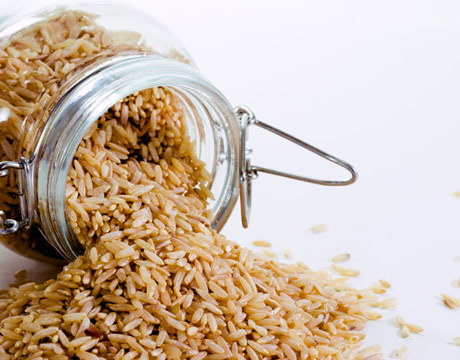
typical stories was the “whole rice story”. In orders to get some money, the
family had a rice mill. They bought whole rice and sold white rice and turned
it into white rice, then they sold it. This was prohibited, but they did that to
get some extra money. One day, the police knocked on their door, they knew in
that house there was a rice mill and were determined to confiscate it. At that
moment, Anselmo’s father wasn’t in prison, and he was with my grandfather at
home. They saw the police, they hid the mill and hid Anselmo’s father in their
neighbour’s home. Anselmo opened the door, the police asked him where the mill
was and they said that if he didn’t tell them the truth, his father would have
problems. My grandfather started to cry saying: “I don’t know the place where
the mill is. My father will go to prison because of my fault…” he cried and
cried until the police left the house.
On that occasion they escaped from the
police.